How To Find Writing Inspiration Through Photos

Some days it’s hard to write.

You’re feeling uninspired and the well is momentarily dry.

Maybe it’s because you didn’t plan today’s post in advance and you’re scrambling for something to muse about. Maybe the current state of affairs in the world leaves you feeling drained and empty.

Whatever the reason, I can usually find ideas from several reliable sources that spark creativity. The two that come to mind today, World Photo Day, are pictures and the Hashtag Holiday calendar.


Photography

Photos often elicit emotional responses based on the subject matter. Animals engaged in silly behavior tickle our funny bones. Misty forests and empty beaches evoke calm. Devastation from acts of terrorism startle our very souls. 

Our own family albums are robust with memories of birthdays, anniversaries, holidays, and graduations. These are the right-of-passage celebrations routinely captured for an honored spot in the pages of our personal history books.

But, what about those mundane occasions that I call “still-shot” moments? In a flash they transport us back, sometimes decades, to a time and place that make us feel like it was just last week. 

I have many of these pictures. One is of my brother and I flying a kite in the neighborhood field. It was the early 70s. There are a few patches of snow still clinging intermittently to the brown grass, signaling what was probably a March day. I remember those spring seasons as being more drawn out; alternating between light snowfalls, chilly rain showers and winds that signaled a change was eventually coming.

Recognizing our plaid coats and winter boots, I can almost feel the dampness from that cold, overcast day. The kite was a Jolly Roger pirate design and the sound of its thin plastic rattling against the gusty breezes echo in my mind. I can see my Dad’s face, a young father in his forties, wanting to capture a time that he knew would be gone too soon.

The old saying, “A picture is worth a thousand words,” despite being overused, is nonetheless true. Photos are powerful and impact both our senses and memories, sources ripe for creative endeavors like writing. 

If you’re stuck for inspiration check out some images. Websites like National Geographic, NASA, and the Metropolitan Museum of Art are just a few of the endless opportunities found on the Internet. Even a scroll through stock photo sites can jostle ideas about topics you hadn’t considered before.

And don’t forget the family photo albums. You may start out looking for something specific to write about and find a dozen other unrelated gems!

Hashtag Holidays

Long before the Internet, nonprofits and global entities created “awareness days” to educate the public on important local and global issues. 

Fast forward to 2020 and these awareness days have morphed into hashtag commemorations. These unofficial holidays work well with social media, which uses hashtags, or labels, to easily group information with specific themes or content. They are a great tool for brands to reach their target audiences, while the public can connect and share with businesses and each other. 

You can find a hashtag holiday for just about any category:

  • Animals
  • Art & Entertainment
  • Cause
  • Culture
  • Food & Beverage
  • Health
  • Relationships
  • Religion
  • Seasonal
  • Special Interest

The sub-categories are endless. Some examples:

  • National Walking Day – (Health)
  • National Bloody Mary Day – (Food & Beverage > Cocktails, Liquor)
  • National Hat Day – (Arts & Entertainment > Fashion)
  • National Cuddle Up Day – (Relationships > Love, Romance)
  • National Squirrel Appreciation Day – (Animals > Pet, Wildlife)
  • National Oreo Cookie Day – (Special Interest > Brand)

With so many subjects to choose from, it’s easy to pair an observance with a topic you’re considering. Or, it may just prompt an entirely new idea!

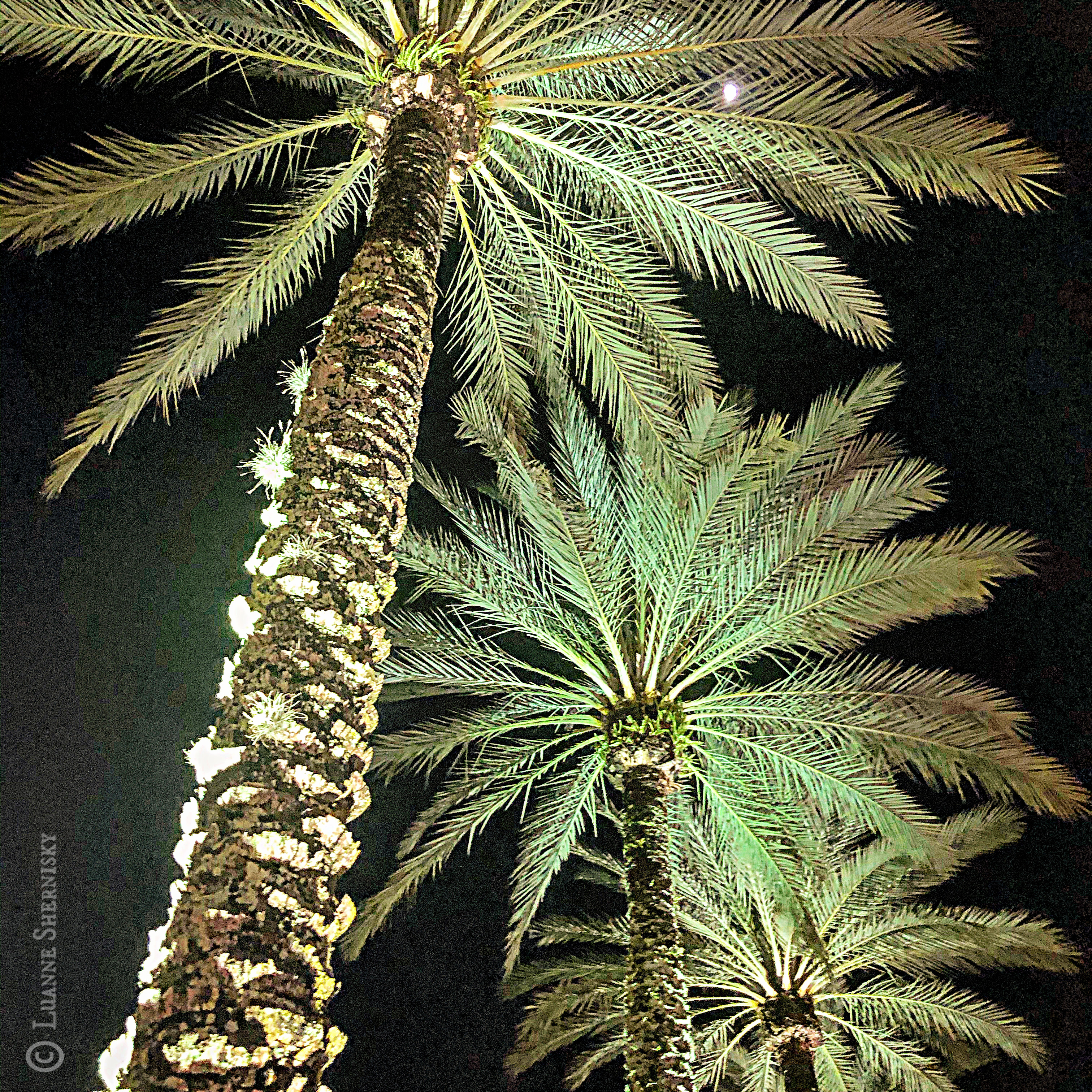
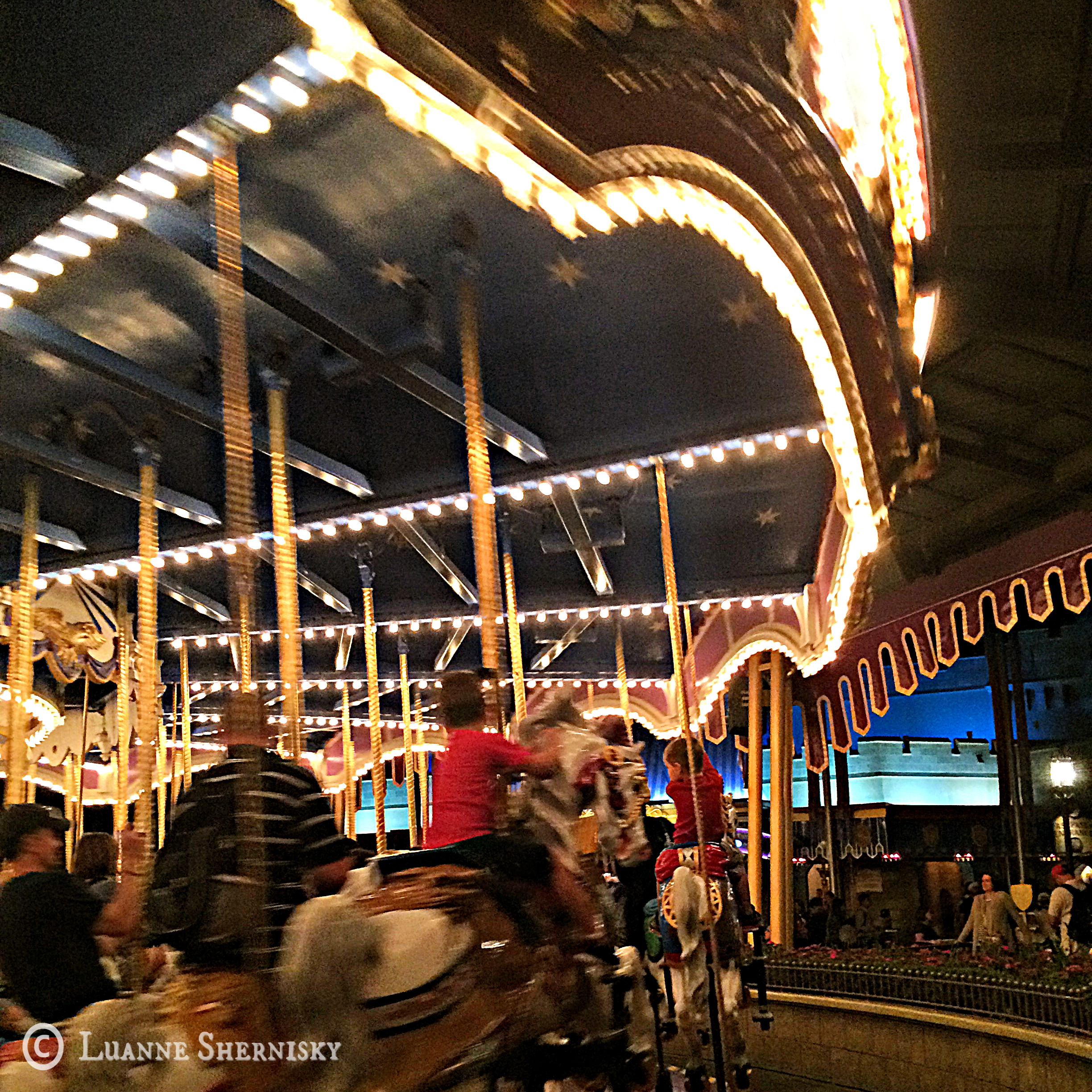
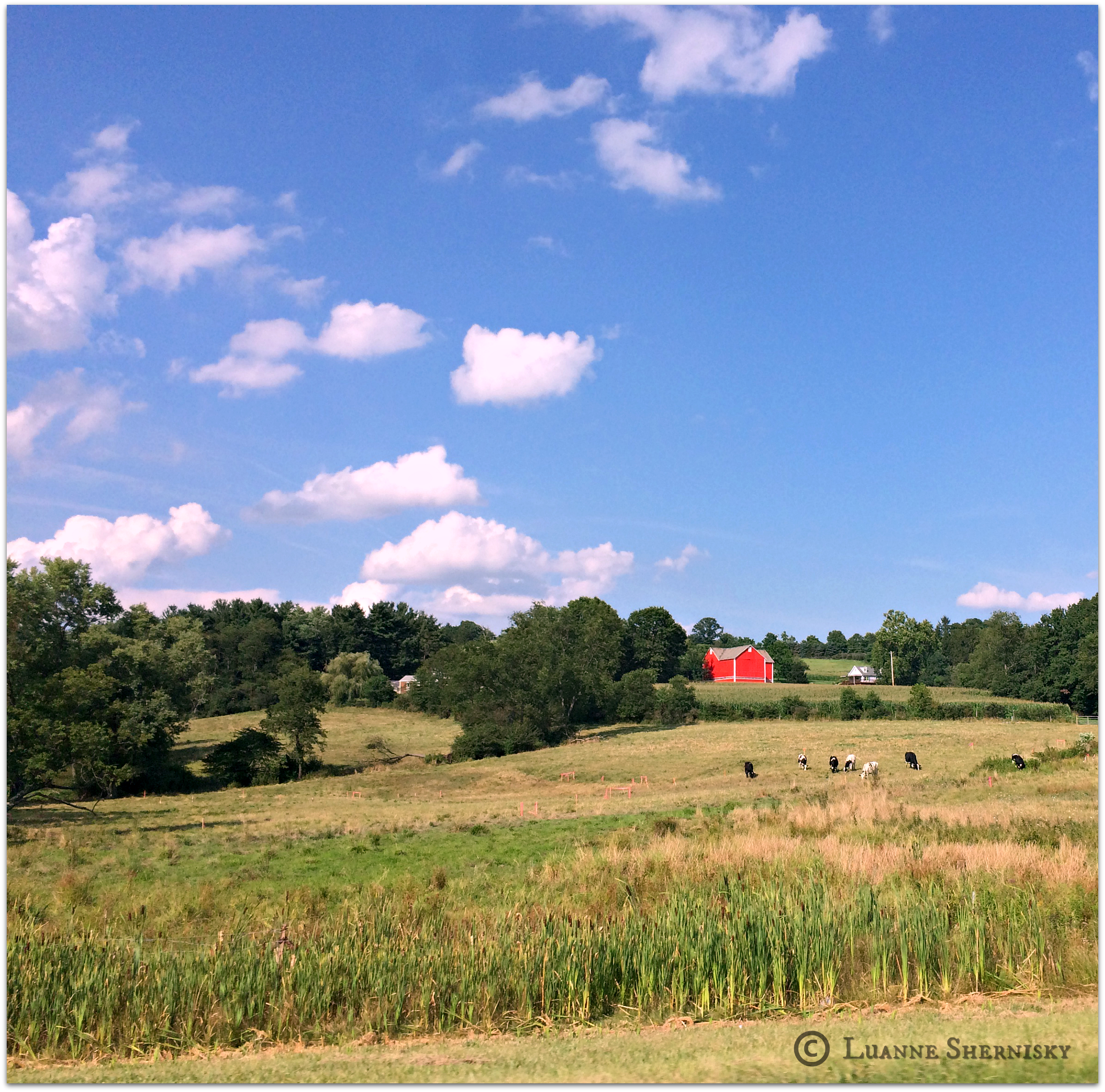
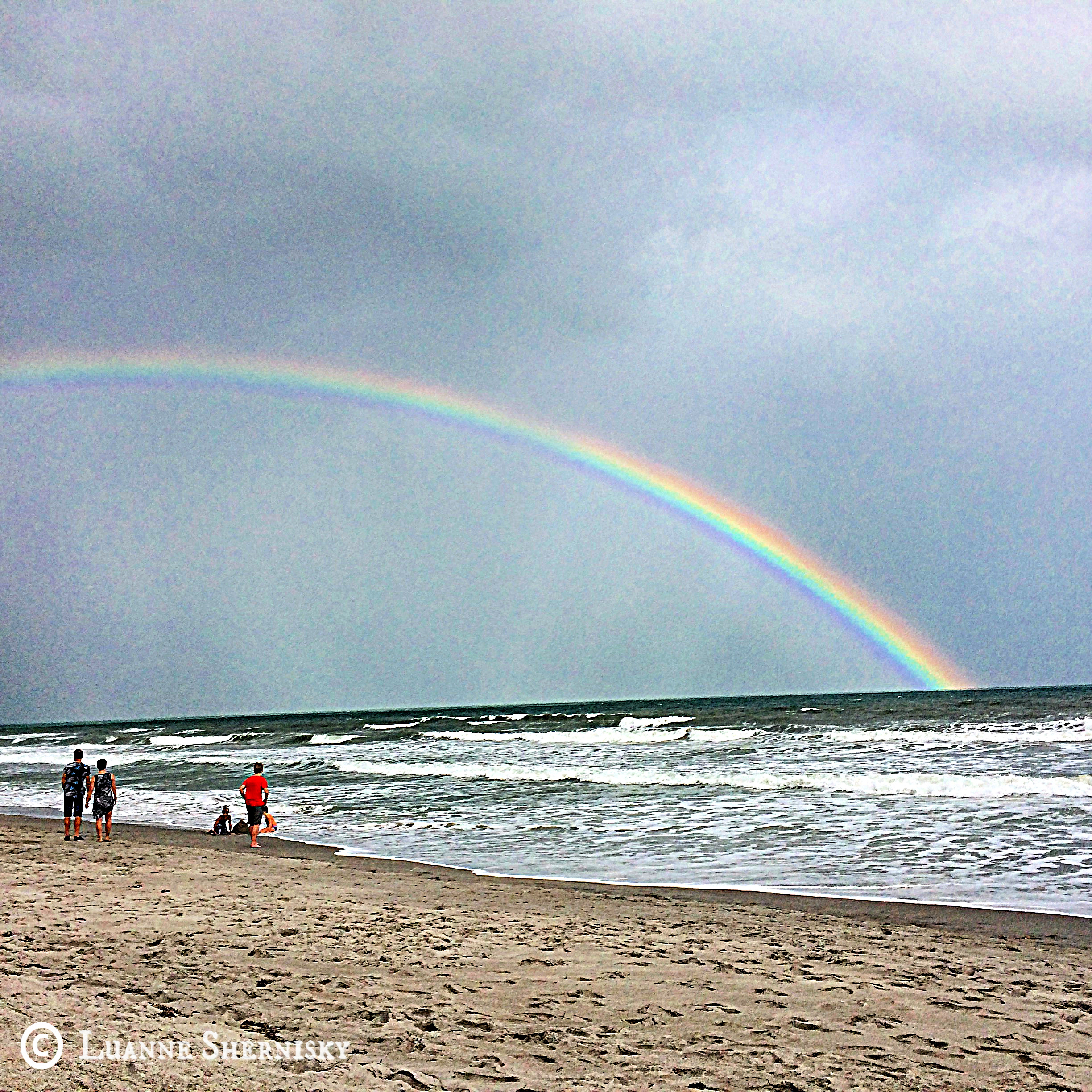
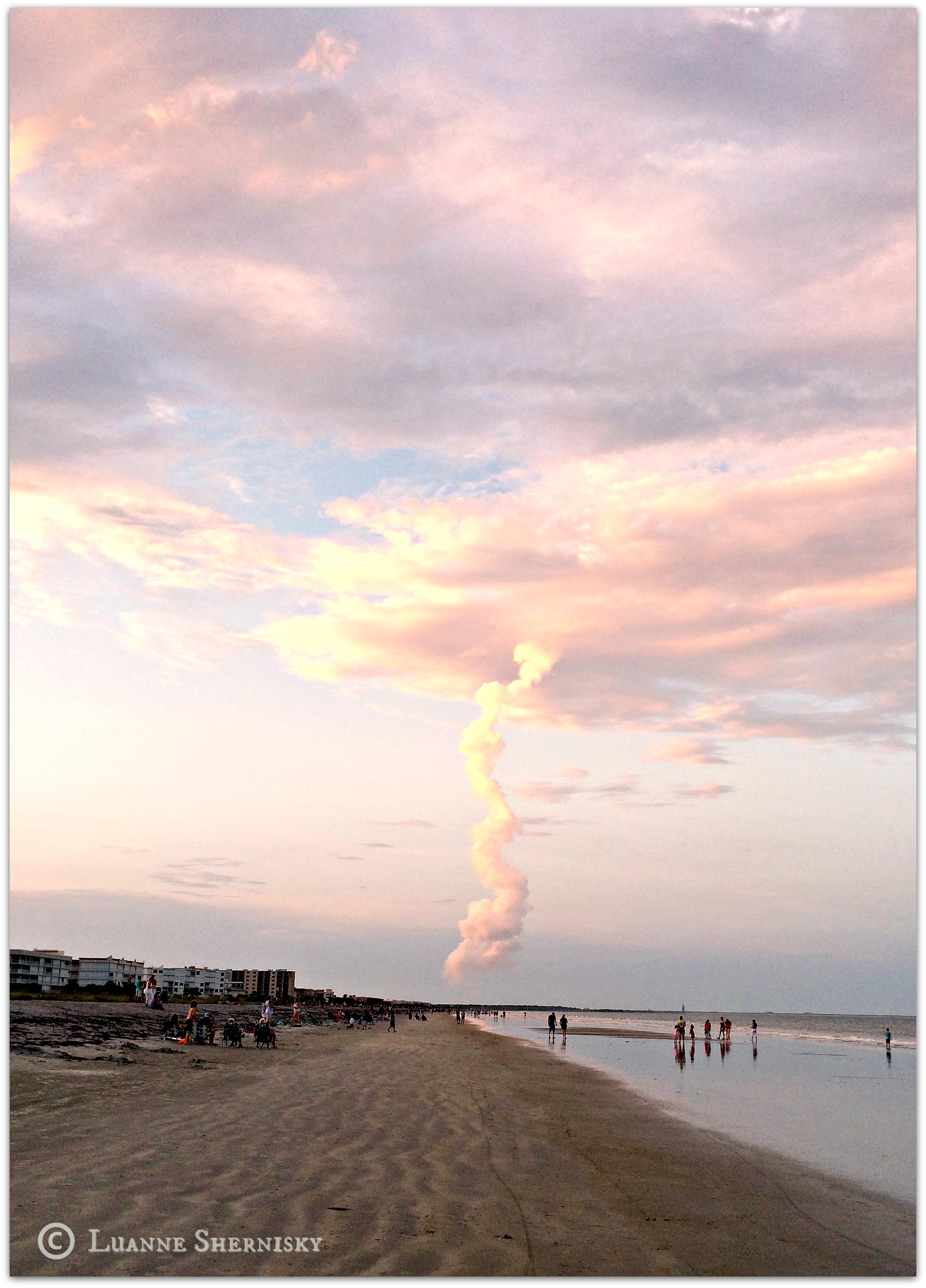
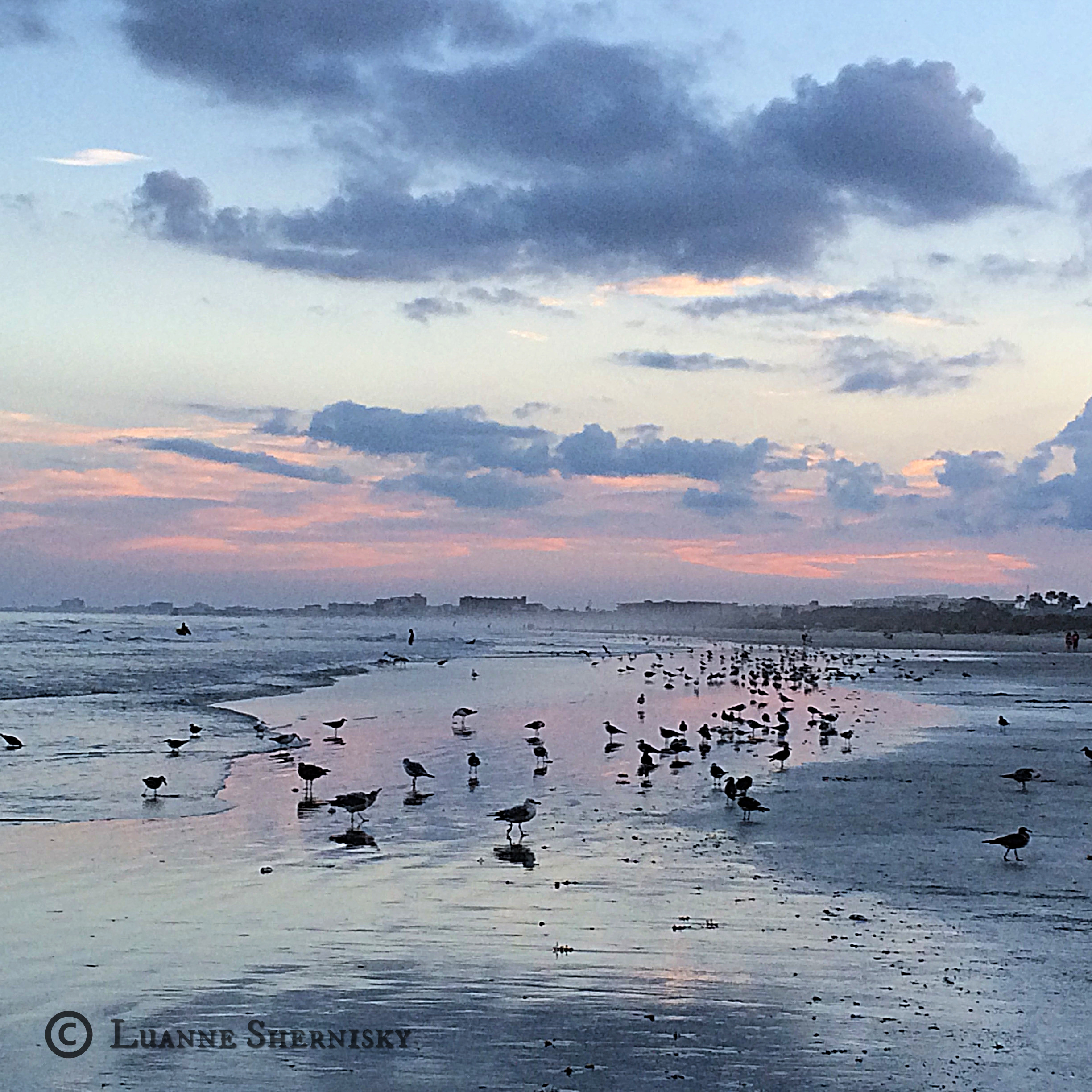
So, for #WorldPhotoDay I’m including a few of my own favorite captures, taken with an iPhone. As I go through the camera roll I’ll keep an eye out for any random ideas that come to mind. 

If a picture is worth a thousand words, then there’s a wealth of material in front of us at any given moment. Some days we just have to look a little harder.

  • Close up headlight of antique car
  • Red autumn leaves scattered around the base of a tree
  • Landscape of red barn set against green background and blue sky
  • Rainbow over the ocean
  • Exploration Tower in Port Canaveral, with beautiful sunset in background.

How to Easily Write Your Way to Blissful Relaxation

A pair of feet in relaxation mode at the end of hammock surrounded by trees.

Do you worry that the Coronavirus pandemic has made relaxation a thing of the past?

Is this worry creating additional stress in your already hectic life? And does that stress feel overwhelming some days?

You’re not alone.

The Household Pulse Survey, conducted by the National Center for Health Statistics (NCHS) and the Census Bureau, confirmed that the rates of anxiety and depression are on the rise across most demographics.

It’s no wonder.

Human life has been altered in ways not experienced since the pandemic of 1918. Negative changes to how we live, work, and play have caused increased tension for people worldwide. Many businesses and jobs have been lost. For those lucky enough to still be employed, working from home poses specific challenges. Essential workers are exposed to the virus everyday. Parents have assumed the roles of teacher as schools shut down. Senior citizens face ongoing isolation from family members who are fearful of infecting them.

So, is it even possible to observe this year’s National Relaxation Day?

While we can’t magically make Covid-19 disappear, it’s more important than ever to find ways to unplug from the constant worry. And there are things we can do to ease the apprehension it’s causing in our lives.


Relaxation simply means obtaining a state of calm in one’s mind, body, or both. Because the brain is home to our emotions, the mind and body have a strong connection. The various methods to relax one or the other often work for both.

Clear glass teacup filled with and surrounded by colorful herbs for relaxation purposes.

Relaxation Techniques for the Body

  • Yoga – Involves movement, breathing exercises, and a focus on thoughts and feelings as they happen (mindfulness).
  • Progressive Muscle Relaxation – The process of tensing a group of muscles as you inhale and relaxing them as you exhale.
  • Physical Activity – Walking, bicycling, or anything that requires physical movement, which get the endorphins or “feel good” hormones flowing.
  • Massage/Back Rub – Stress causes cortisol to be released into the bloodstream, which then cause muscles to become rigid. Massaging the muscles can help to release the tension.
  • Warm Beverage – such as herbal tea or warm milk. (No alcohol or caffeine!)

Relaxation Techniques for the Mind

  • Mindful Meditation – Studies show that regular meditation can alter the brain’s neural pathways making us more resilient to stress.
  • Breathing Exercises – Slows the heart rate and lowers blood pressure.
  • Guided Imagery – Imagining a calm, peaceful setting helps us relax and relieves nervousness.
  • Warm Bath, Soothing Music, Being in Nature – Activities that impact our senses can create calm. Even just looking at images of nature can help.
  • Writing/Journaling – Getting our thoughts and concerns on paper are helpful.

There are significant benefits to relaxation. A calm mind leads to clear thinking, which results in improved decision-making. We’re better able to resist stressors, which makes for a more positive outlook overall. Achieving a tranquil mindset also reduces the risk of illness and disease.

Too much anxiety causes both physical and mental problems. Poor sleep, headaches, and the exacerbation of any current health issues can result. Forgetfulness, appetite swings, and depression often create irritability, among other things, and a reliance on drugs and alcohol as coping mechanisms.


Writing/Journaling for Relaxation

The advantages of writing for relaxation are well-established. It encourages problem-solving by putting the issues down on paper. It promotes mindful integration of events by engaging both hemispheres of the brain through exploring and releasing emotions. The writer also gains self-knowledge by clarifying thoughts and feelings.

However, it doesn’t work for everyone. Folks with disabilities, or people reluctant to relive difficult memories may not benefit. Perfectionists can get hung up on the format, structure, frequency, or even the type of journal to use – paper or computer?

Regardless of who is journaling, it’s important to build in potential solutions, the things that you appreciate, and what gives you hope.

I remember receiving a diary as a youngster in elementary school. While I didn’t write consistently, there were periods of regular, rather feverish scribbling. Those usually centered around special events or milestones. Holidays, birthdays, a first crush, and a broken heart were chronicled throughout the pages.

Person doing expressive writing for relaxation.

It got me to thinking about why we record our life experiences and how it benefits us. When nothing much was happening I only wrote periodically, musing about mundane things like what I had for dinner and who got the lead role in the school play. But, when important stuff occurred I filled up the allotted space, spilling over into the next day.

I realized that to successfully deal with overwhelming emotions, both good and bad, we must adequately express ourselves. This is why clear communication is so vital to relationships, including the one we have with ourselves.

Being able to share feelings is also crucial. When we’re happy we want our world to celebrate with us. When we’re crushed we need our world’s support.


Expressive Writing for Relaxation

Specifically helpful for stress and traumatic life events is something called expressive writing.

Dr. James W. Pennebaker of the University of Texas conducted a majority of the research on the benefits of this type of writing. His studies showed that the impact of expressive writing on physical conditions such as cancer, HIV, and migraines was positive. The same thing is true of one’s emotional condition. Over time it helped with relaxation of the patient and outcomes were more favorable.

It takes anywhere from 18 to 254 days for a habit to form. This is why daily writing is encouraged. The goal is to make it a regular part of your day, but the writer chooses when and where.

Another important aspect is to “free write.” The object is to get as many thoughts, ideas, and feelings on paper as quickly as possible. All inhibitions must be released and no attention should be paid to grammar, spelling, or punctuation. It’s totally confidential and won’t be graded.

Four Elements of Expressive Writing

  1. Expressive writing prompts you to think about your experiences and express buried emotions. This is significant because writing helps to organize thoughts and assign meaning to emotions, a critical first step to acknowledging any pain or unhappiness.
  2. By fostering the intellectual process regarding a situation, you’re better able to regulate emotions (thinking with your head versus thinking with your heart.) Expressive writing helps to accomplish this and can also stop any brooding or ruminating that you may be doing.
  3. Writing confidentially reassures the sense of safety, while clarifying your thoughts. It assigns well-deserved value to the experience and can inspire you to reach out for social support, which is often needed.
  4. Timing is important. Writing too soon after a traumatic event can make matters worse. Therefore, Dr. Pennebaker recommends waiting 1 – 2 months.

Writing is therapeutic when you need to vent or unload negative emotions; think about the posts you often see on social media!

It’s a helpful first step before we sharing private affairs, but we’re wise to remain anonymous until then. We need time to process our sentiments in a rational way.

We’re social creatures that reside within a community and our need for a supportive network is strong. Whether we’re celebrating or mourning a loss, it’s gratifying to have someone to share a toast with, or lend a shoulder to cry on.

So, if relaxation is eluding you these days give writing a try. You’ll likely become better acquainted with yourself and achieve a sense of peace amidst the ongoing chaos.

“Your writing voice is the deepest possible reflection of who you are. The job of your voice is not to seduce or flatter or make well-shaped sentences. In your voice, your readers should be able to hear the contents of your mind, your heart, your soul.”

Meg Rosoff

Sources:

health.harvard.edu

urmc.rochester.edu

verywellmind.com

uofmhealth.org

healthline.com 

webmd.com


A to Z Challenge Theme Reveal | Mindfulness

ThemeRevealIt’s that time of year again… for the A to Z Challenge!

For those of you new to blogging this is an annual event held every April and challenges us to write daily during the month.

The letters of the alphabet correspond with the days of the month: A with April 1st, B with April 2nd, and so on. Sundays are days off and not included in the schedule. 

The challenge is to write thematically to the day’s letter. There’s plenty of flexibility and room for creativity!  See all the details and sign up here.


fullsizeoutput_b82

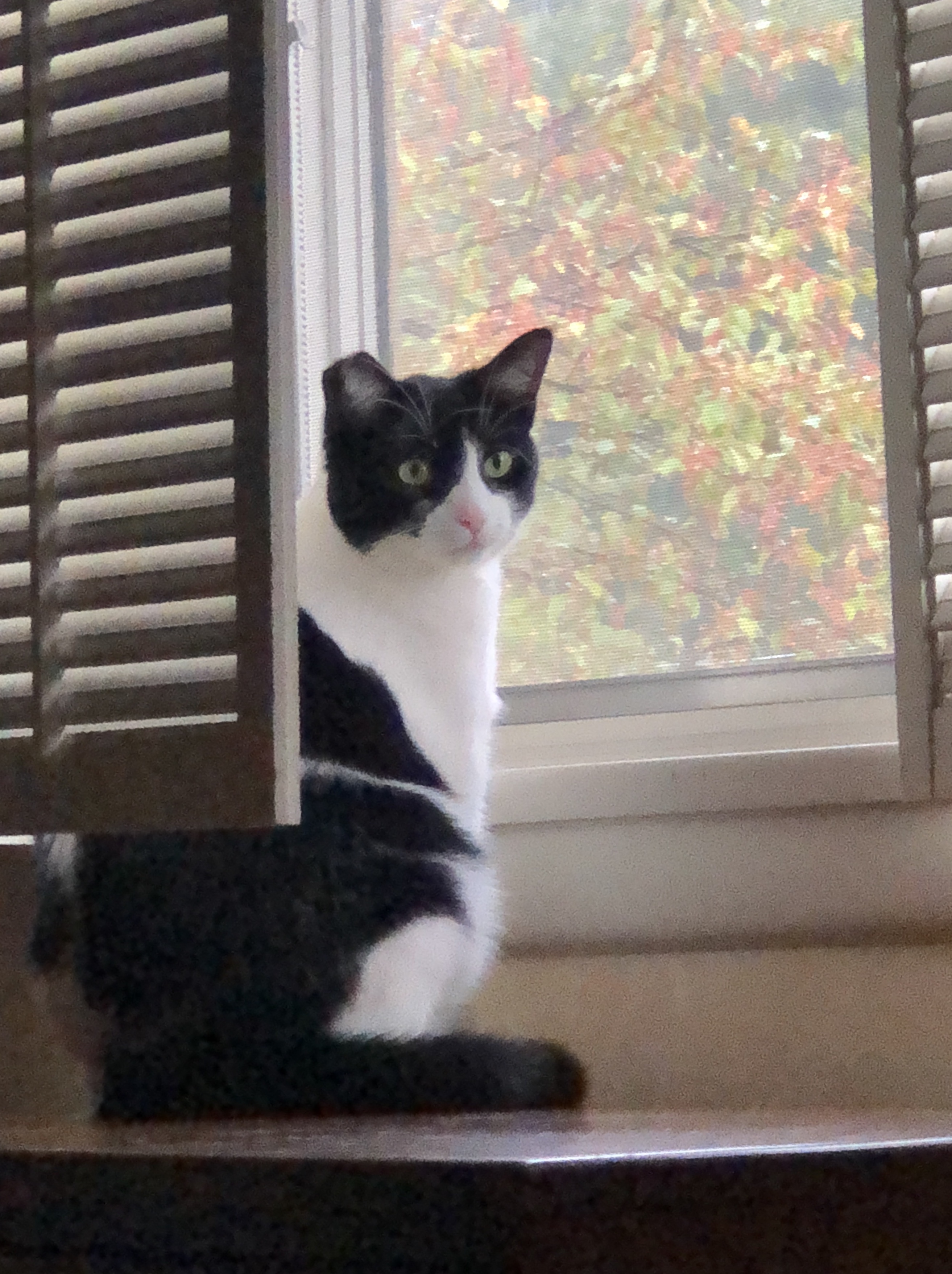
I attempted it last year, but stopped at letter G when my beloved kitty suddenly became ill with feline leukemia virus. I discovered that she had it when I adopted her and because there is no cure, I swore I wouldn’t let her suffer. So, within two days of the positive test results I took her back to the vet and said goodbye. My heart was broken and the desire to write was gone. 

My post for the letter G was already written and published. It talked about the importance of Goals. Knowing that I wouldn’t finish the challenge I wrote a second G post about Grief. And that’s all I felt for a long time.


My overarching theme last year was Intentional Living. This year I’ve decided on Mindfulness. While there is some overlap between the two, intentional living is any lifestyle based on an individual or group’s conscious attempts to live according to their values and beliefs.

The definition for mindfulness is a mental state achieved by focusing one’s awareness on the present moment, while calmly acknowledging and accepting one’s feelings, thoughts, and bodily sensations.

I’ll write about subjects that correspond with the definition and practice of mindfulness, since that is the overall theme of my blog.


If you’re looking for a way to blog more regularly and need some prompts and/or inspiration, the A to Z Challenge might be just the ticket!