Milestone Birthdays: How to Totally Love Them Without Feeling Old

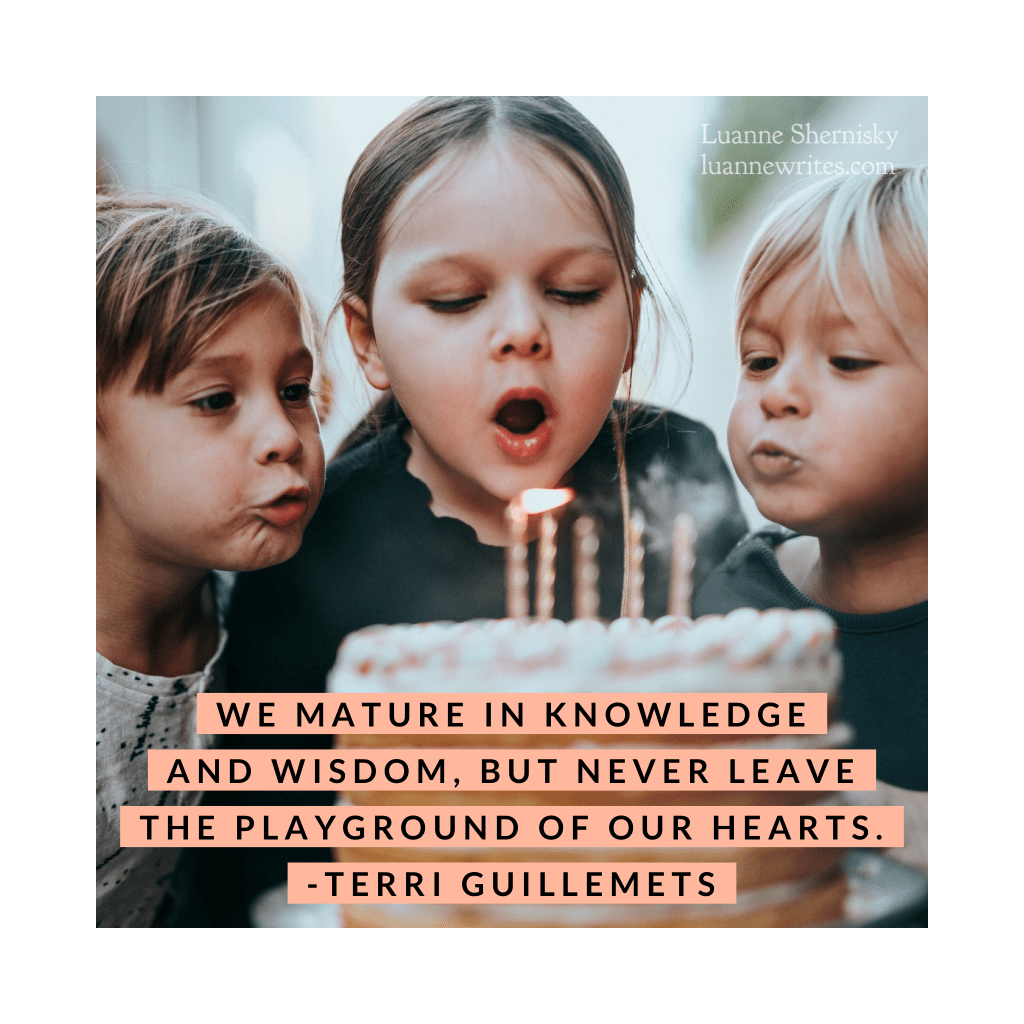
Children blowing out birthday candles to illustrate the included quote: "We mature in knowledge and wisdom, but never leave the playground of our hearts."

Birthdays are typically a time for celebration. Until they’re not.

As youngsters, we eagerly anticipate all the trappings that make up our special day: a party with family and friends, decorated cakes, colorful balloons, and gifts! All those wonderful things that make the day so special.

But, as we grow older birthdays can evoke a sense of longing and even sadness. Especially the milestone birthdays. We traverse the nine years between each turn of the decade uneventfully, and then BOOM. You’re the Big 6–0, or wherever you happen to be on the aging continuum. 

Big is right; I’m five pounds heavier than I was at 50. Probably because I never pass on a birthday cake (or any cake for that matter.) 

Each year, as we add another candle it’s a reminder of time passing. During our twenties and thirties, we’re so busy building a life that time almost stands still. Granted, we’re racing every day from morning till night, to beat deadlines, keep appointments, and get a thousand things done. But, we’re focused on the tasks and not how quickly the calendar pages are turning.

Then one day we wake up and realize everything is slowing down. The family, financial, and work demands decrease significantly as children leave the nest and retirement looms.

This slowing down begins to affect us physically and mentally, too. Presbyopia, a change in the ability of our eyes to focus, begins in the forties. This literally happened to me overnight. One day I was reading Stephen King’s The Stand, completely unaided, and the next day I needed magnifiers. 

Balance becomes an issue. Putting on pants while standing suddenly turns into a challenge and “senior moments” occur more often. It’s no wonder we get a little depressed at birthday time, wondering what else may be lost in the upcoming year. 

I was naive when purchasing a ceiling fan with a pull chain for my bedroom. The contractor asked why I didn’t get a remote control model, informing me that they didn’t cost much more. He then asked if I really wanted to stand on the bed, in ten years, to turn the fan on and off. Suddenly, I pictured myself trying to put jeans on without falling over. The next day I exchanged the pull chain for the remote style.

But, as young adults we actually look forward to the next decade, thinking about all the exciting opportunities it will bring. We’re confident in our abilities, optimistic about the future, and feel like we have all the time in the world.
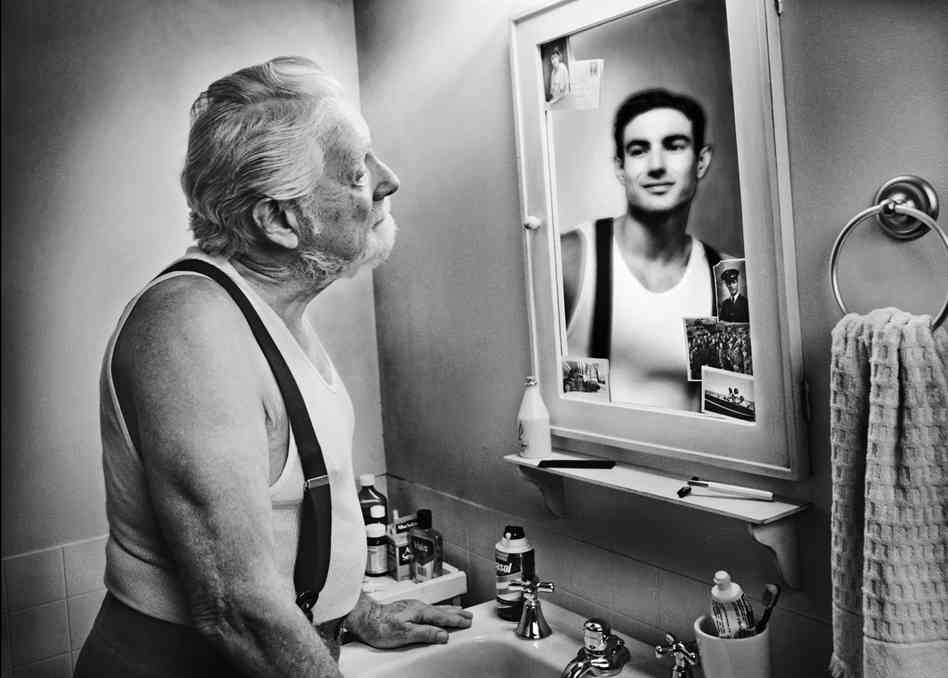
Old man looking in mirror at his younger selfAnd therein lies the problem. Once we reach a certain age there’s a sense that the really good stuff is behind us. All we have to look forward to are frequent doctor visits and senior discounts. We finally have more time for hobbies and interests, but now that precious time is running out.

The real insult is that we begin to resemble our parents, while on the inside we still see and feel like our twenty-something selves.

So, how do we drop the negativity and adopt a happiness mindset about our milestone birthdays? Here are a few suggestions:


Consider the Alternative

First, it’s important to remember that growing old is a privilege not afforded to everyone.

I think of my high school classmates that aren’t around to complain about aches and pains. One guy was killed on a motorcycle a month after graduation. Another died in his thirties. A beloved friend battled cancer, on and off, from middle school through middle age and then passed away shortly after the 35th reunion.

I’ve been extremely fortunate and when I start feeling down about aging, I remember these folks. They missed so many of the joys that only come from growing older, and there are many. Acknowledging those joys on a regular basis reminds us to count our blessings.

Learn From the Past

Understanding who we are today is the first step to learning the lessons from yesterday.

We’re all products of our environments: intellectual, emotional, and spiritual. How we respond to people and life’s many ups and downs ultimately determines what kind of journey we’ll have.

There’s a wealth of experiences, good and bad, that we accumulate over time. The longer we live, the more we gain. But, experience is only useful if we learn from it. We must look back with a critical eye and recognize areas where we fell short.

And forgiveness for past hurts is a necessary component to embracing the future. Holding on to grievances prevents us from successfully moving forward. We must forgive others, as well as ourselves.

An honest commitment to better choices increases our chance for lasting happiness.

Older IS Wiser

If we’re able to learn from the past then we’ll recognize just how accomplished we truly are.

Recognizing the tragedies and triumphs we’ve dealt with in life, and survived, is quite empowering!

We’re better able to sort through our many experiences and relationships and decide which ones to keep and which to throw away. Because not all people and situations are healthy. Some are downright toxic.

As younger people we often don’t see things for what they are; we see them as we want them to be. The very idealism so admirable in youth can be a double-edged sword. Inexperience blinds us to reality and results in decisions based more on fantasy than facts.

Reaching middle-age without a self-assessment on our past lives dooms us to repeat the same mistakes. Growth simply can’t happen. So, take an honest look.

It’s All Relative

Some folks are old at 60, while others are young at 80.

Most 80 year-olds are typical: many no longer drive or travel much beyond their church, grocery store, and the doctor’s office. The world shrinks in proportion to their aging bodies.

But, everyone ages differently, and there are exceptions to the rule. Take Yuichiro Miura for example. In 2013 Miura became the oldest person to climb Mt. Everest, earning him a spot in the Guinness Book of World Records. While the vast majority of octogenarians are taking the stairs a bit slower, he scaled Mt. Everest!

Another inspiration is Sister Madonna Buder, affectionately known as the Iron Nun. As a Roman Catholic religious sister and a Senior Olympian triathlete, she holds the world record for the oldest woman to ever finish an Ironman Triathlon at the age of 82. Yes, you read that right.

These two amazing people illustrate that age really is just a number. And that number doesn’t automatically define our quality of life. It largely depends on genes, diet, exercise, and attitude; three of which we do have control over.


It’s never too late to make healthy changes that positively impact our well-being. My goals don’t include mountain-climbing or world records. For me, it’s more about feeling well, strengthening muscles, improving balance, and dropping a few pounds.

female cyclist riding bicycle along mountain road in summer

Photo by Andrea Piacquadio on Pexels.com

We know the routine by now. Eat a well-balanced diet, exercise regularly, eliminate bad habits, etc. A few small changes, done consistently, can and do make a difference.

By the time that next milestone birthday comes around, you’ll be happy to celebrate the new and improved version of yourself.

And don’t forget the cake. We deserve to indulge on occasion because life in moderation is a life well-lived. So, enjoy!


Sources:

washingtonpost.com

aoa.org 

wikipedia.org

How to Easily Avoid “The Winter of Our Discontent”

Photo by VisionPic.net on Pexels.com

The Winter of Our Discontent is the title of John Steinbeck’s last novel, published in 1961, and drawn from the first line of Shakespeare’s Richard III. 

However, what I’m referring to is something entirely different.

I’m talking about the remaining winter months and how we’ll keep our sanity amidst more possible lockdowns and quarantines. For those of us living in cold climates it poses new challenges. Gone are the days when we could safely and comfortably gather or move about outside. Snow and ice will affect that ability to some degree.

I reluctantly cancelled Thanksgiving, as well as my usual trip to Florida for Christmas. Disappointing as that is, how could I not? Covid is out of control and promises to get worse, due to people traveling in higher numbers to share the holidays with their families. The risk is much too high. The numbers are through the roof and our frontline medical personnel need us to make the right choices. 

When I saw a videos of airports crowded with holiday travelers, it reinforced the decision. Also, the emerging variants are a new threat. However, the best way to ensure there’ll be more family gatherings in the future is to stay home now. 

So, as we navigate this cold, dark winter season, with all its pandemic uncertainty, I began to wonder: can we not only survive, but actually thrive? 

I believe it’s possible if we utilize our time wisely. But, there’s definitely things we should and shouldn’t do.


Things to Avoid

Catastrophizing 

To catastrophize is to view something as worse than it is. Considering the current statistics, this is hard NOT to do. However, a true catastrophe is something we have no control over. An earthquake is a good example. Usually widespread and sudden, this force of nature causes tremendous destruction for which we can’t do much about.

Likewise, the pandemic occurred without much warning and is running rampant, but we definitely have some control. And this is what we must focus on: masks, social distancing, frequent hand washing, etc.  Feelings caused by a loss of control are always negative. Therefore, we should concentrate on the positive steps necessary to stay healthy. This way we regain some control over the ongoing threat of getting sick.

Negativity

News reports, people, and social media are all sources of negativity. While we shouldn’t ignore what’s happening, it’s important to limit our exposure. Stress releases the hormone cortisol into the bloodstream and a steady diet of this produces many unhealthy responses.

Constantly checking news and social media is time that could be spent in more productive ways. The videos and images that accompany the reports are equally frightening. 

Negative people are the ones to avoid, if possible. Better to surround yourself with those who remain optimistic. Their resilience is just as contagious as the pessimists and much healthier.

Losing Routines

The pandemic has greatly impacted our lives and daily routines. Many people are working remotely and families with school-age children must balance both work and school responsibilities. Retired folks are most at-risk and are advised to restrict their outings. 

With so much time spent at home it’s easy to fall out of one’s normal schedule. This may involve skipping the daily shower and staying in pajamas all day. Mealtimes and bedtimes can change. Housework is put on the back burner. 

All of this comes at a cost. The structure and organization of having routines promotes healthier living. While we have to make adjustments, it’s important to maintain some continuity in our schedules.

Unhealthy Habits

During times of stress we tend to overindulge in “comfort measures.” Whether it’s food, alcohol, or something else, we reach for these coping mechanisms when feeling anxious.

julia-engel-B9UZSOU0pVQ-unsplash (1)The human brain is hard-wired towards reward-based activities. These are the things that release dopamine, aka the “feel good hormone.” We then associate the good feeling with the bad habit, despite the negative consequences. 

Is it any wonder that we rely on these to get us through times of anxiety? 

Research has shown that sedentary behavior and depression go hand in hand. People aren’t exercising as much as they normally would and this adds to the problem, as well. It’s important to recognize what our comfort measures are and work to avoid or control them.


Despite pandemic-induced limitations there are productive ways to spend our excess time at home. Projects in the “as soon as I get a chance” file are ready and waiting. Now IS our chance.

Things To-Do

Household Projects

We’ve all got them. Between the basement, attic, and everything in between, there’s work to do. Whether it’s cleaning, organizing, painting, or renovating, there’s probably something you can start your list with. You may want to stick with DIY tasks rather than bring contractors into your home. If you do hire outside help follow the established safety precautions.

Reading

If you enjoy reading now is the time to set a goal. I have a list of classics that I’ve wanted to read for a long time. I’ve also thought about pulling out my college biology textbook to look up some things that have become more relevant with the passing years! Or, maybe you have some favorite titles from long ago that are worth taking another look at. 

reading-1142801_1280

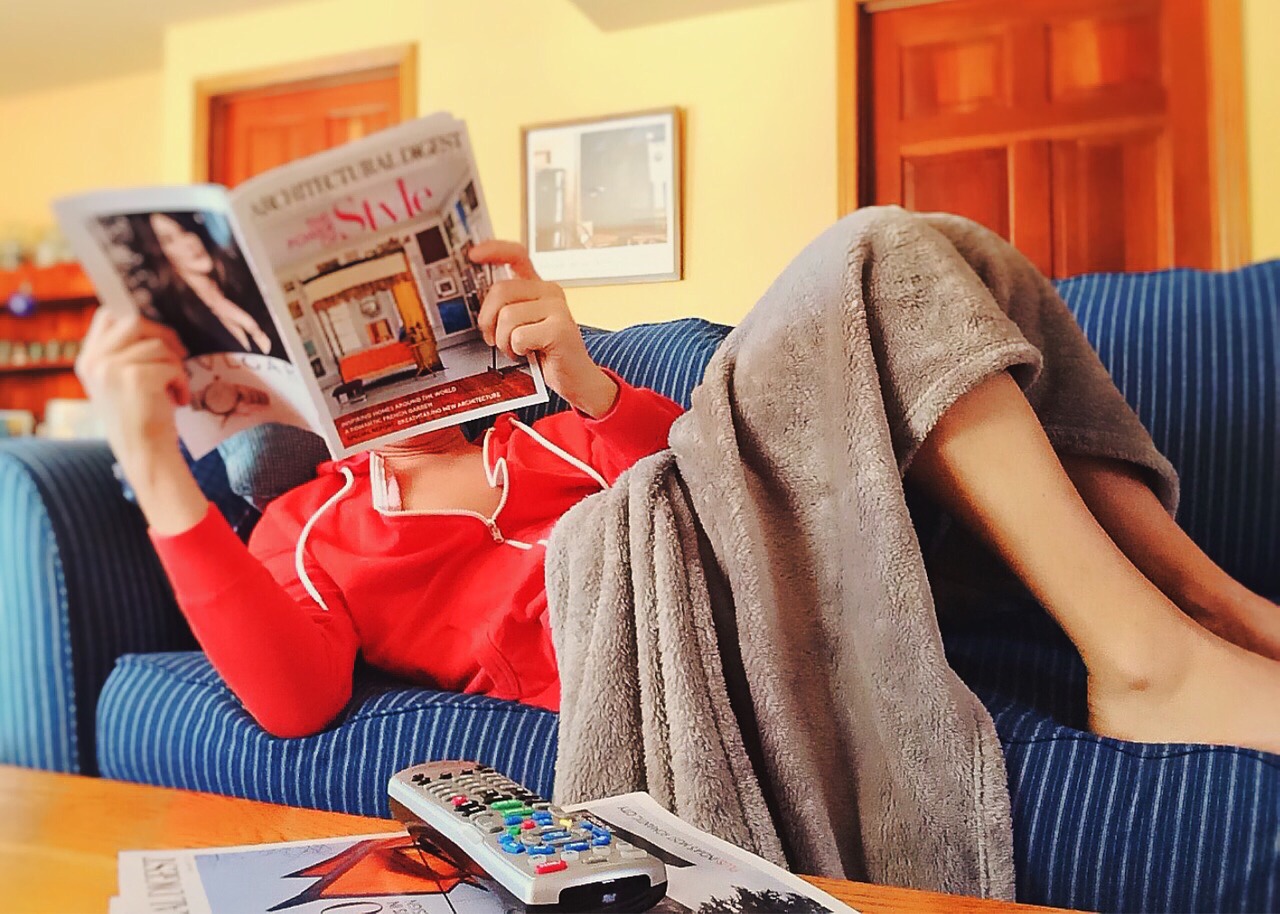
Do you have unread magazines piling up? I recently gathered mine all together and organized according to title and year (yes, they go back to 2017.) I plan to read several each week and then donate to our local library, as well as any books I’ve finished reading. 

Puzzles and Games

The sales of puzzles, boardgames, and crafts have surged as America remains at home. With long hours to fill parents want to incorporate more screen-free time. And it’s not just the kids. Adults are getting in on the fun, as families rediscover the types of connections from yesteryear. Remember those ongoing games of Monopoly that lasted a week?

According to Forbes the top three toy sellers in the US are Walmart, Target, and Amazon. These retail giants will likely survive the current crisis and come out even stronger. Unlike other industries whose retail accounts may close, toy manufacturers are positioned to do well.

Online Courses

You CAN teach an old dog new tricks and what better time than now? There’s many online courses to take and a wealth of subjects to discover. Sites like The Great Courses, Udemy, and Coursera offer a wide array of topics, some from leading universities and companies. Online courses are less expensive than in-person classes and some are free of charge.

If you need additional training for your job or want to learn a new skill, there’s no time like the present. 

Gratitude Journal

Person doing expressive writing for relaxation.

Gratitude journals, like mindfulness and meditation, have grown more popular in recent years. Guided journal sales rose 30% from January to April in 2019 alone. The prevailing wisdom is that daily reminders of our blessings create a more positive mindset. 

However, reflecting on one’s life is a personal endeavor and the method may not be a one-size-fits-all. There are different ways to tweak this exercise. One way is to create a Power Journal that also includes what you learn, contribute, and accomplish each day. As the author you decide the format, frequency, what to record, and what to call it. 

Photos, Movies & Music

Since cooking and organizing are the top “screenless” activities during the pandemic, don’t forget the boxes of pictures and media cabinets. Whether yours are stored in a physical space, or digitally, organization is an ongoing task that we often neglect. More time at home translates to updated playlists and camera rolls, or alphabetized DVDs and catalogued albums.

Outdoors & Nature

There’s nothing like a long walk to clear one’s mind. Whether on a treadmill or at the local park, exercise releases feel-good hormones needed to fight the negativity of the pandemic. This is a great time to enjoy our favorite music, an audiobook, or podcast.

And the type of exercise doesn’t matter. It can be mild, vigorous, or anything in between. Moving and increasing the heart rate can lift our spirits and outlook.

Similarly, being in nature  has a calming effect. Think about the sound of waves crashing on the beach, or hiking on a path with a view of majestic, snowcapped mountains.  Stimulation of our five senses  has a dramatic effect on our mood, as well. Exercise + Nature is the créme de la créme.


When we look back on this extraordinary period in our lives, there needs to be some positives. Yes, we missed holidays and spending time with friends and family. There were moments of sadness and isolation. Our lives were interrupted and we had to adjust to many unwelcome changes. But, imagine what the pandemic of 1918 was like. No television, radio, computers, etc. Talk about feeling bored and isolated!

However, we should also remember our accomplishments and the wisdom gained. Little things like a clean, orderly basement, or how to properly wash our hands. And the much bigger things: learning to truly appreciate each of our days and those people we share them with. 

 Change can be welcome or hard, but it’s always inevitable. Maintaining an optimistic outlook helps us manage our time and perspectives in a much better way. 

You must welcome change as the rule but not as your ruler. ~Denis Waitley


Sources

verywellmind.com 

webmd.com 

piedmont.org 

lifehack.org 

thriveglobal.com 

wikipedia.org 

npd.com 

thriveworks.com 

comscore.com 


How to Easily Write Your Way to Blissful Relaxation

A pair of feet in relaxation mode at the end of hammock surrounded by trees.

Do you worry that the Coronavirus pandemic has made relaxation a thing of the past?

Is this worry creating additional stress in your already hectic life? And does that stress feel overwhelming some days?

You’re not alone.

The Household Pulse Survey, conducted by the National Center for Health Statistics (NCHS) and the Census Bureau, confirmed that the rates of anxiety and depression are on the rise across most demographics.

It’s no wonder.

Human life has been altered in ways not experienced since the pandemic of 1918. Negative changes to how we live, work, and play have caused increased tension for people worldwide. Many businesses and jobs have been lost. For those lucky enough to still be employed, working from home poses specific challenges. Essential workers are exposed to the virus everyday. Parents have assumed the roles of teacher as schools shut down. Senior citizens face ongoing isolation from family members who are fearful of infecting them.

So, is it even possible to observe this year’s National Relaxation Day?

While we can’t magically make Covid-19 disappear, it’s more important than ever to find ways to unplug from the constant worry. And there are things we can do to ease the apprehension it’s causing in our lives.


Relaxation simply means obtaining a state of calm in one’s mind, body, or both. Because the brain is home to our emotions, the mind and body have a strong connection. The various methods to relax one or the other often work for both.

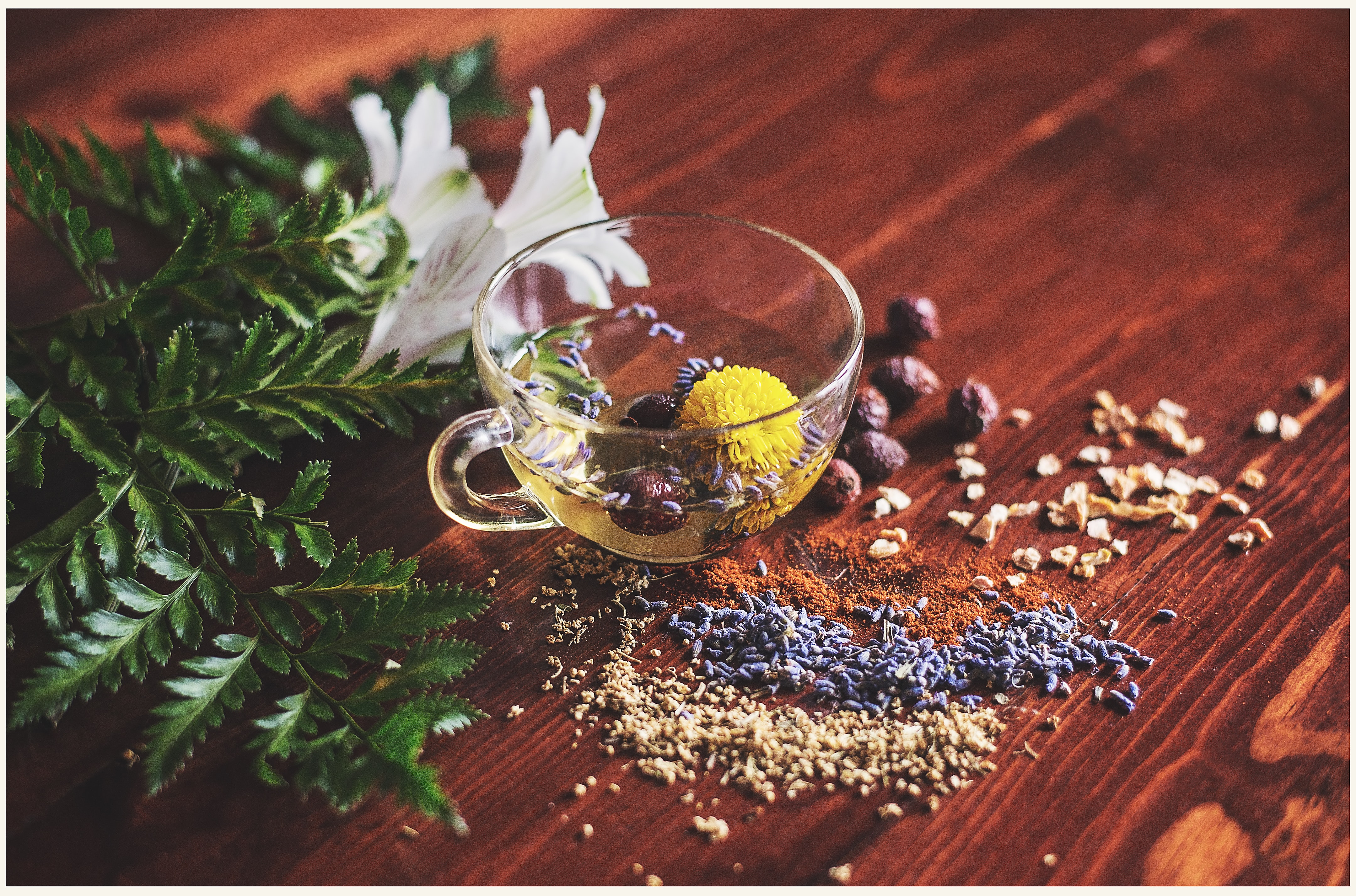
Clear glass teacup filled with and surrounded by colorful herbs for relaxation purposes.

Relaxation Techniques for the Body

  • Yoga – Involves movement, breathing exercises, and a focus on thoughts and feelings as they happen (mindfulness).
  • Progressive Muscle Relaxation – The process of tensing a group of muscles as you inhale and relaxing them as you exhale.
  • Physical Activity – Walking, bicycling, or anything that requires physical movement, which get the endorphins or “feel good” hormones flowing.
  • Massage/Back Rub – Stress causes cortisol to be released into the bloodstream, which then cause muscles to become rigid. Massaging the muscles can help to release the tension.
  • Warm Beverage – such as herbal tea or warm milk. (No alcohol or caffeine!)

Relaxation Techniques for the Mind

  • Mindful Meditation – Studies show that regular meditation can alter the brain’s neural pathways making us more resilient to stress.
  • Breathing Exercises – Slows the heart rate and lowers blood pressure.
  • Guided Imagery – Imagining a calm, peaceful setting helps us relax and relieves nervousness.
  • Warm Bath, Soothing Music, Being in Nature – Activities that impact our senses can create calm. Even just looking at images of nature can help.
  • Writing/Journaling – Getting our thoughts and concerns on paper are helpful.

There are significant benefits to relaxation. A calm mind leads to clear thinking, which results in improved decision-making. We’re better able to resist stressors, which makes for a more positive outlook overall. Achieving a tranquil mindset also reduces the risk of illness and disease.

Too much anxiety causes both physical and mental problems. Poor sleep, headaches, and the exacerbation of any current health issues can result. Forgetfulness, appetite swings, and depression often create irritability, among other things, and a reliance on drugs and alcohol as coping mechanisms.


Writing/Journaling for Relaxation

The advantages of writing for relaxation are well-established. It encourages problem-solving by putting the issues down on paper. It promotes mindful integration of events by engaging both hemispheres of the brain through exploring and releasing emotions. The writer also gains self-knowledge by clarifying thoughts and feelings.

However, it doesn’t work for everyone. Folks with disabilities, or people reluctant to relive difficult memories may not benefit. Perfectionists can get hung up on the format, structure, frequency, or even the type of journal to use – paper or computer?

Regardless of who is journaling, it’s important to build in potential solutions, the things that you appreciate, and what gives you hope.

I remember receiving a diary as a youngster in elementary school. While I didn’t write consistently, there were periods of regular, rather feverish scribbling. Those usually centered around special events or milestones. Holidays, birthdays, a first crush, and a broken heart were chronicled throughout the pages.

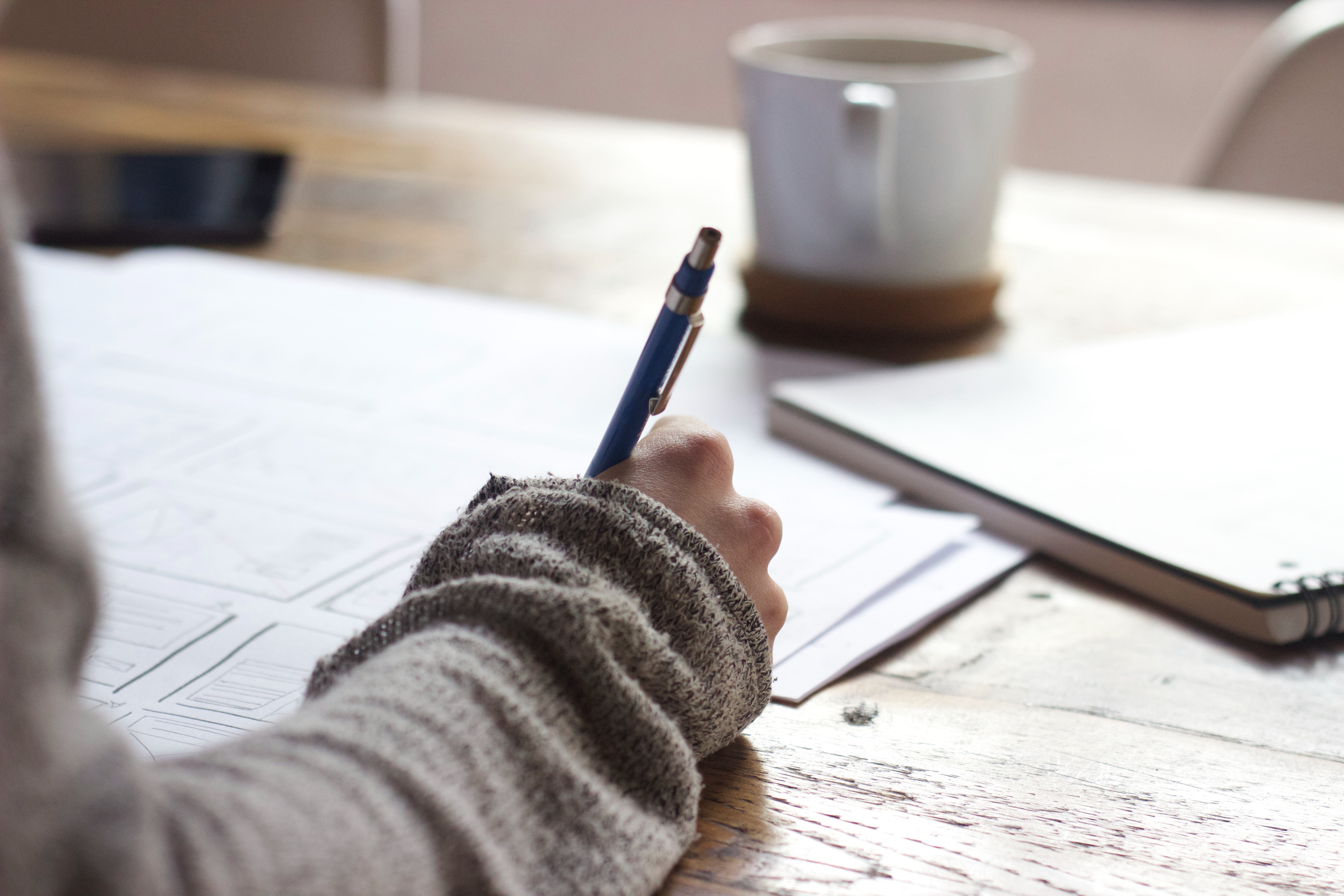
Person doing expressive writing for relaxation.

It got me to thinking about why we record our life experiences and how it benefits us. When nothing much was happening I only wrote periodically, musing about mundane things like what I had for dinner and who got the lead role in the school play. But, when important stuff occurred I filled up the allotted space, spilling over into the next day.

I realized that to successfully deal with overwhelming emotions, both good and bad, we must adequately express ourselves. This is why clear communication is so vital to relationships, including the one we have with ourselves.

Being able to share feelings is also crucial. When we’re happy we want our world to celebrate with us. When we’re crushed we need our world’s support.


Expressive Writing for Relaxation

Specifically helpful for stress and traumatic life events is something called expressive writing.

Dr. James W. Pennebaker of the University of Texas conducted a majority of the research on the benefits of this type of writing. His studies showed that the impact of expressive writing on physical conditions such as cancer, HIV, and migraines was positive. The same thing is true of one’s emotional condition. Over time it helped with relaxation of the patient and outcomes were more favorable.

It takes anywhere from 18 to 254 days for a habit to form. This is why daily writing is encouraged. The goal is to make it a regular part of your day, but the writer chooses when and where.

Another important aspect is to “free write.” The object is to get as many thoughts, ideas, and feelings on paper as quickly as possible. All inhibitions must be released and no attention should be paid to grammar, spelling, or punctuation. It’s totally confidential and won’t be graded.

Four Elements of Expressive Writing

  1. Expressive writing prompts you to think about your experiences and express buried emotions. This is significant because writing helps to organize thoughts and assign meaning to emotions, a critical first step to acknowledging any pain or unhappiness.
  2. By fostering the intellectual process regarding a situation, you’re better able to regulate emotions (thinking with your head versus thinking with your heart.) Expressive writing helps to accomplish this and can also stop any brooding or ruminating that you may be doing.
  3. Writing confidentially reassures the sense of safety, while clarifying your thoughts. It assigns well-deserved value to the experience and can inspire you to reach out for social support, which is often needed.
  4. Timing is important. Writing too soon after a traumatic event can make matters worse. Therefore, Dr. Pennebaker recommends waiting 1 – 2 months.

Writing is therapeutic when you need to vent or unload negative emotions; think about the posts you often see on social media!

It’s a helpful first step before we sharing private affairs, but we’re wise to remain anonymous until then. We need time to process our sentiments in a rational way.

We’re social creatures that reside within a community and our need for a supportive network is strong. Whether we’re celebrating or mourning a loss, it’s gratifying to have someone to share a toast with, or lend a shoulder to cry on.

So, if relaxation is eluding you these days give writing a try. You’ll likely become better acquainted with yourself and achieve a sense of peace amidst the ongoing chaos.

“Your writing voice is the deepest possible reflection of who you are. The job of your voice is not to seduce or flatter or make well-shaped sentences. In your voice, your readers should be able to hear the contents of your mind, your heart, your soul.”

Meg Rosoff

Sources:

health.harvard.edu

urmc.rochester.edu

verywellmind.com

uofmhealth.org

healthline.com 

webmd.com